The Complete Guide to Professional Mold Remediation in Chesapeake Beach
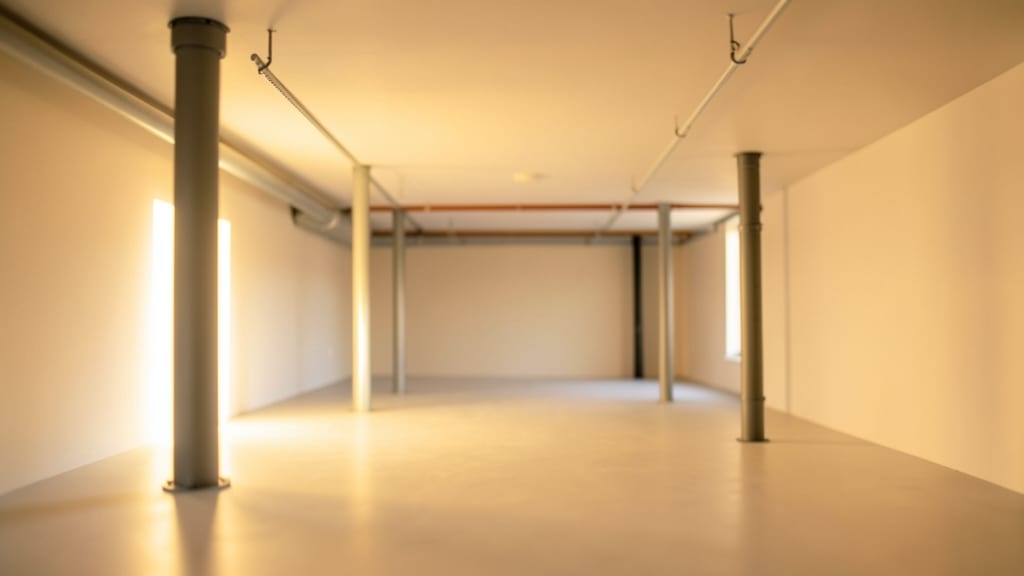
Mold thrives in our coastal climate, where humidity and seasonal storms create perfect breeding grounds. Left unchecked, it can compromise indoor air quality and structural integrity. We’ve helped hundreds of homeowners and businesses in Chesapeake Beach and surrounding areas like North Beach, Prince Frederick, and Huntingtown safely reclaim their spaces from mold infestations.
Why Mold Remediation Is Critical in Our Coastal Climate
Chesapeake Beach’s proximity to the Bay means higher humidity year-round, especially in basements, crawl spaces, and attics. Even minor water intrusion from storms or poor drainage can spark rapid mold growth within 24–48 hours.
Mold isn’t just unsightly—it releases mycotoxins that aggravate allergies, asthma, and respiratory conditions. Long-term exposure can lead to chronic health issues, making professional remediation a necessity, not a luxury.
Signs You Need Professional Mold Remediation
Visible mold—black, green, or white patches—on walls, ceilings, or under sinks is the most obvious red flag. But mold often hides behind drywall, under flooring, or in HVAC systems, especially in older homes in areas like Sunderland or Dares Beach.
Musty odors, persistent allergies, or unexplained water stains are telltale signs of hidden mold. If you’ve experienced flooding, roof leaks, or plumbing issues, assume mold may be present until proven otherwise.
Avoid touching or bleaching mold. Disturbing it releases spores into the air, worsening contamination. Always call professionals for testing and containment.
Mold Remediation vs. DIY: What You Risk by Going Alone
DIY mold removal often fails because it treats the surface, not the source. Without proper containment, spores spread to clean areas, leading to recurring infestations. In coastal homes, this can mean mold migrating from a damp crawl space in Lower Marlboro to living spaces.
Professionals use HEPA filtration, negative air pressure, and antimicrobial treatments to ensure spores are captured and killed. We also address root causes like poor ventilation or water intrusion, preventing future growth.
| Factor | DIY Approach | Professional Remediation |
|---|---|---|
| Containment | None; spores spread easily | Sealed barriers with negative air pressure |
| Spores Removal | Surface-level cleaning | HEPA filtration and air scrubbing |
| Root Cause | Often overlooked | Identified and resolved (e.g., leaks, humidity) |
| Safety | Risk of exposure to mycotoxins | PPE, protocols, and disposal per EPA guidelines |
| Long-Term Results | High recurrence rate | Guaranteed clearance with prevention plan |
The Professional Mold Remediation Process: Step by Step
Every project begins with a thorough inspection and air quality testing to assess the extent of contamination. We use moisture meters and thermal imaging to detect hidden mold in areas like attics or behind walls, common in older homes near Owings or Dunkirk.
Containment is critical. We isolate the affected area with plastic sheeting and use negative air machines to prevent spores from escaping. This step is non-negotiable, especially in multi-story homes or commercial spaces.
Specialized Remediation for Different Areas of Your Property
Basements and crawl spaces are mold hotspots due to poor airflow and moisture seepage. In Chesapeake Beach, many homes sit on slab foundations or have unfinished basements, requiring tailored solutions like vapor barriers and dehumidifiers.
Attics often harbor mold from roof leaks or improper insulation. HVAC systems can also distribute spores throughout a property if not properly cleaned. We’ve seen this frequently in homes from Calvert Beach to St. Leonard, where aging systems exacerbate the problem.
Commercial properties, such as those in Prince Frederick or Hughesville, demand rapid, discreet remediation to minimize downtime. Our team follows OSHA and IICRC standards to ensure safe, compliant results.
Use moisture absorbers and elevate items off concrete floors in basements or garages. In coastal areas, consider a dehumidifier rated for high humidity.
Mold Testing and Air Quality: What to Expect
Mold testing identifies the type and concentration of spores in your indoor air or on surfaces. We collect samples via air pumps, swabs, or tape lifts, then send them to certified labs for analysis. This step is crucial for developing a targeted remediation plan.
Air quality testing goes further, measuring volatile organic compounds (VOCs) and other contaminants. In areas like Shady Side or Galesville, where older homes may have asbestos or lead, we often pair mold testing with asbestos testing for comprehensive safety.
Preventing Mold Recurrence: Long-Term Strategies
Mold remediation isn’t complete without addressing moisture. In our region, that means fixing leaks, improving drainage, and ensuring proper ventilation. Crawl space encapsulation and sump pumps are common solutions for homes in flood-prone areas like Benedict or Cedarville.
Regular inspections are key. We recommend annual mold and moisture checks, especially after heavy storms or if you notice new odors. Simple habits—like using exhaust fans in bathrooms and kitchens—can also make a big difference.
Mold Prevention Checklist
- Fix leaks in roofs, pipes, and windows immediately
- Maintain indoor humidity below 60% with dehumidifiers
- Use exhaust fans in high-moisture areas (bathrooms, kitchens)
- Inspect and clean gutters and downspouts regularly
- Ensure proper grading around your home’s foundation
- Schedule annual mold inspections for peace of mind
How to Prepare for Professional Mold Remediation
A little prep work ensures the process is smooth and effective.
- 1Clear the Area
Remove furniture, personal items, and pets from the affected space. This allows our team unobstructed access and protects your belongings from contamination.
- 2Turn Off HVAC Systems
Shut down heating, cooling, and fans to prevent spores from spreading through ductwork. This is especially important in homes with central air.
- 3Seal Off Adjacent Rooms
Close doors and cover vents or openings with plastic sheeting if possible. This helps contain spores to the remediation zone.
- 4Communicate Access Needs
Let us know about any locked areas, alarm systems, or special entry instructions. For commercial properties, coordinate with building management.
- 5Plan for Temporary Relocation
For severe infestations, especially in living spaces, consider staying elsewhere during remediation. We’ll advise you based on the scope of work.
Frequently Asked Questions
How long does mold remediation take in Chesapeake Beach?
Timelines vary based on the size and severity of the infestation. Small, contained areas may take 1–3 days, while large or hidden mold problems—common in basements or attics—can require a week or more. We provide a detailed estimate after inspection.
Is mold remediation covered by homeowners insurance?
Coverage depends on your policy and the cause of the mold. If the mold results from a covered peril, like a burst pipe, your insurance may pay for remediation. However, mold due to neglect or long-term moisture issues is often excluded. We recommend checking with your provider.
Can mold come back after remediation?
Yes, if the underlying moisture issue isn’t resolved. That’s why we include moisture control and prevention strategies in our process. Without addressing leaks, humidity, or poor ventilation, mold can return within weeks.
Do you offer mold remediation for businesses in Calvert County?
Absolutely. We serve commercial properties across Calvert County, including offices, retail spaces, and industrial facilities. Our team works efficiently to minimize disruptions, often scheduling remediation during off-hours for businesses in areas like Prince Frederick or Upper Marlboro.
What’s the difference between mold removal and mold remediation?
Mold removal refers to the physical act of cleaning or eliminating mold from surfaces. Remediation, however, is a comprehensive process that includes containment, spore removal, addressing the moisture source, and preventing recurrence. Remediation ensures the problem is solved long-term, not just temporarily.
How do I know if my HVAC system has mold?
Signs include musty odors when the system runs, visible mold around vents, or increased allergies when indoors. Mold in HVAC systems is common in humid climates and can spread spores throughout your home. We offer specialized HVAC mold remediation to clean and sanitize ductwork.